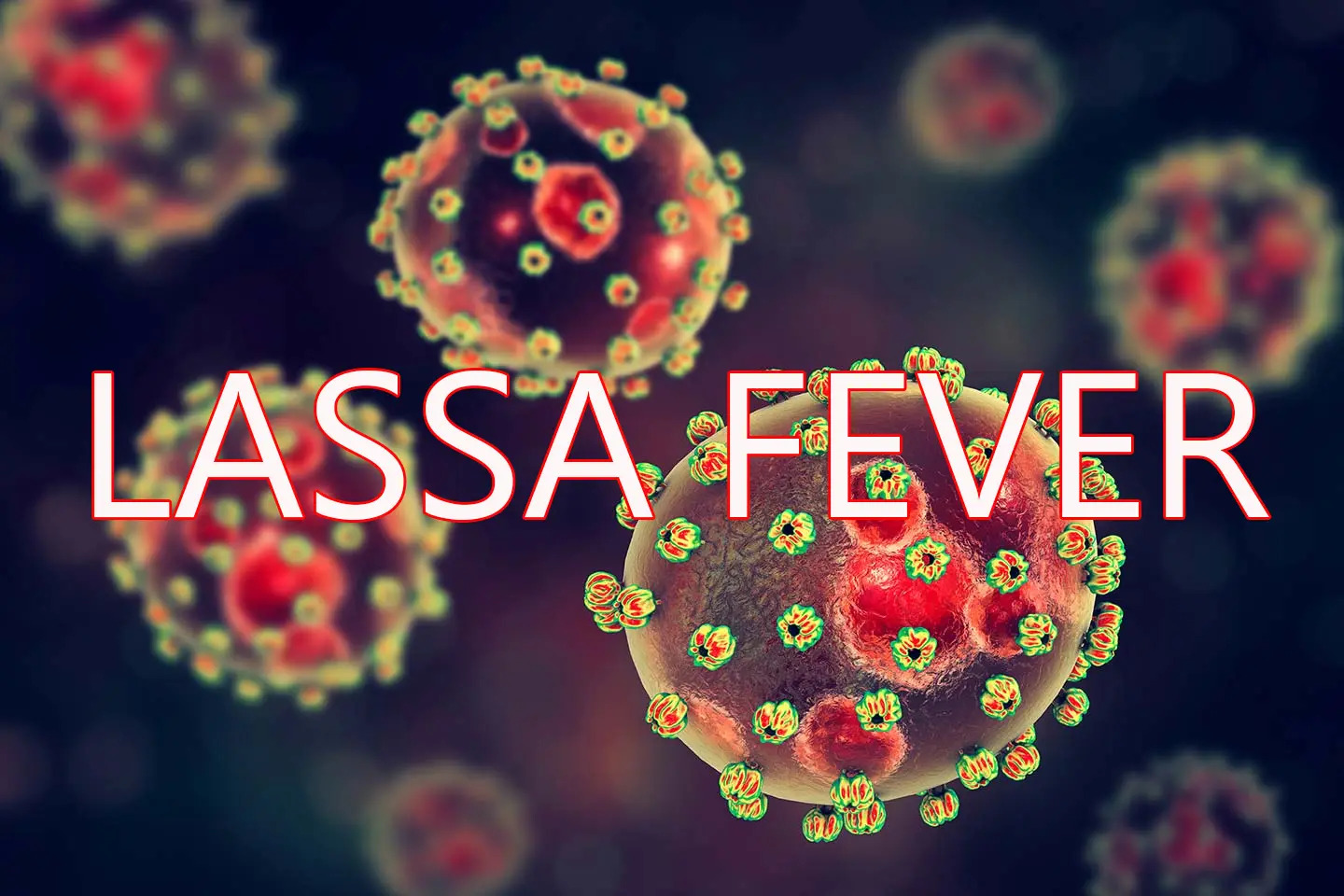
The Nigeria Centre for Disease Control and Prevention (NCDC) has reported an increase in the fatality rate of Lassa fever, as the disease continues to spread across multiple states with new confirmed cases and rising deaths.
According to the NCDC’s latest situation report for Epidemiological Week 23, covering June 2–8, 2025, and published on its official website on Wednesday, Nigeria has recorded 143 deaths from 758 confirmed cases of Lassa fever this year.
This figure represents a case fatality rate (CFR) of 18.9 percent, which is a rise from the 17.8 percent CFR recorded during the same period in 2024.
The agency further disclosed that 11 new confirmed cases were identified in the latest reporting week, an increase from the eight cases documented the previous week.
The new cases were detected in Ondo, Edo, Bauchi, and Taraba States.
“In 2025, 18 states have recorded at least one confirmed case of Lassa fever, spread across 96 Local Government Areas.
However, 90 percent of all confirmed cases were reported from just five states: Ondo 31 percent, Bauchi 25 percent, Edo 16 percent, Taraba 15 percent, and Ebonyi 3 percent,” the report stated.
The NCDC also noted that young adults aged 21 to 30 remain the most affected demographic, with a median age of 30.
Additionally, the report revealed one new healthcare worker infection during the review week, bringing the total number of affected health workers in 2025 to 23.
The agency identified several challenges exacerbating the outbreak, including late presentation of cases, poor health-seeking behavior, high cost of treatment, inadequate sanitation, and low awareness in affected communities.
To contain the spread and reduce fatalities, the NCDC announced the activation of a multi-sectoral Incident Management System and the deployment of 10 Rapid Response Teams to states with the highest case burdens.
Other intervention efforts include health worker training on case management, the rollout of an Infection Prevention and Control (IPC) e-learning platform, community sensitization campaigns, environmental response activities, and collaboration with media and partners for public outreach.
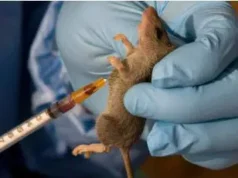
The NCDC urged the public to prioritize hygiene, seek early medical attention when symptoms occur, and avoid contact with rodents and their excreta, the primary vectors of the disease.
Recall that Lassa fever is a viral hemorrhagic illness primarily transmitted through contact with the urine or faeces of infected rats.