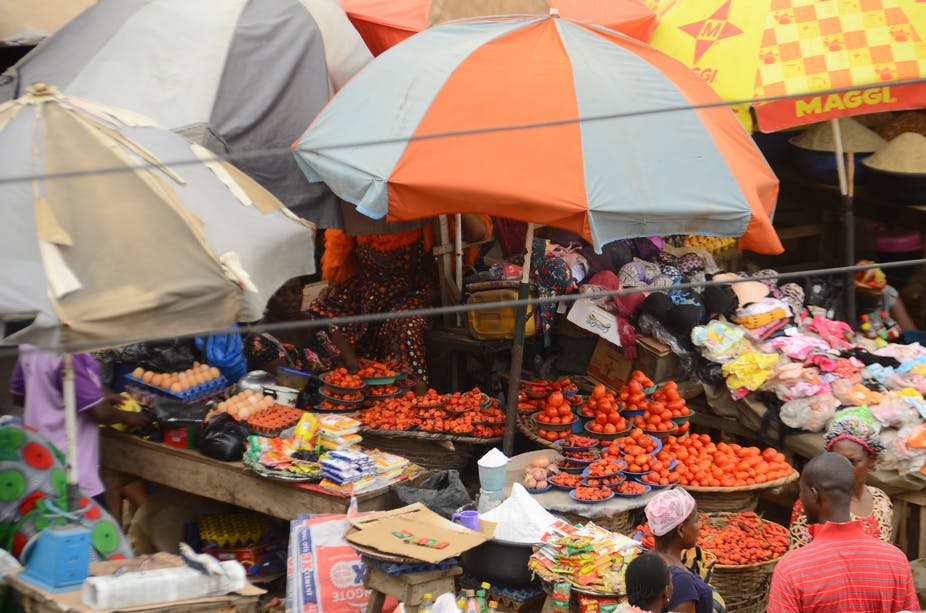
The Lagos Chamber of Commerce and Industry (LCCI) has expressed concern that the country’s food inflation crisis may worsen due to ongoing international conflicts and the growing number of clashes between Nigerian farmers and herdsmen.
Dr. Chinyere Almona, Director-General of the LCCI, issued the warning on Tuesday in Lagos while reacting to the newly released May inflation data, which showed a slight decline to 22.97 per cent from 23.71 per cent in April, according to figures from the National Bureau of Statistics.
Almona described the marginal drop as a welcome development and a positive, albeit modest, shift in the country’s inflation trajectory after several months of persistent increases. She attributed the dip to ongoing monetary tightening by the Central Bank of Nigeria (CBN), including interest rate adjustments and liquidity control measures.
Despite the decline, Almona cautioned that the progress should be interpreted carefully, considering several structural challenges and looming threats to food security and distribution.
She warned, “The recent spate of herdsmen-farmers clashes in the Middle Belt and flooding disasters are negative signals capable of limiting food harvests this year. Logistics and supply chain risks also loom due to current escalations in the Middle East and the deadlocked ceasefire talks between Russia and Ukraine.
Importing fuel and other products may become more expensive as oil prices have risen due to ongoing tensions and trade wars.
These shocks pose significant risks to food availability and prices, which can drive food inflation—an essential component of the headline inflation index in the third and fourth quarters of 2025.”
In response, Almona urged the government to take urgent and coordinated action. She emphasized the need to address insecurity, strengthen agricultural infrastructure, and enhance policy synergy to make inflation gains more sustainable and inclusive. She also called for a coordinated mix of fiscal and monetary policy actions, including reforms in the oil and gas sector, which had previously slowed fuel price increases.