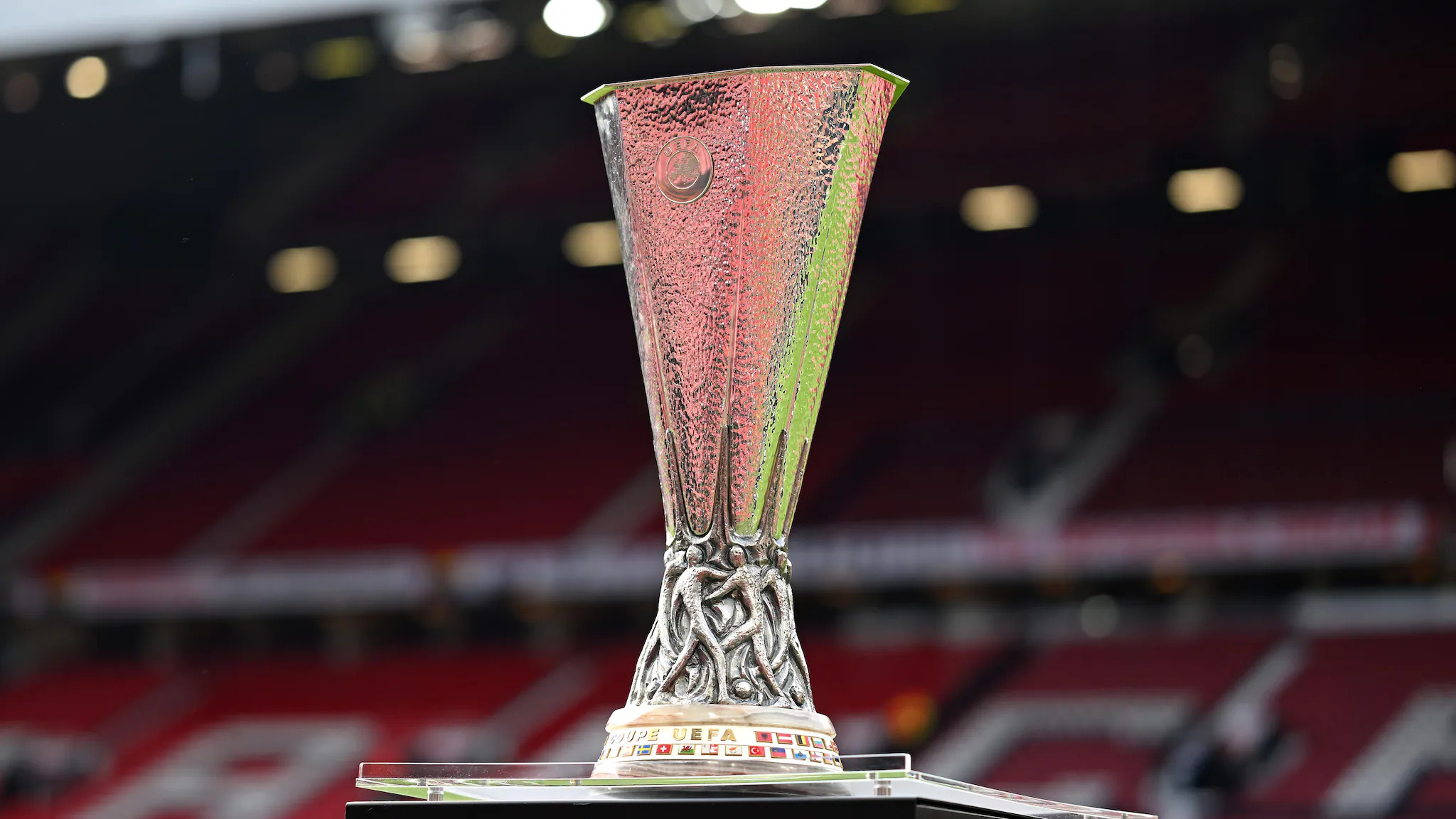
Manchester United and Tottenham Hotspur will clash in Wednesday’s Europa League final, each desperate to rescue their disappointing seasons with not only a trophy but also a valuable place in next season’s Champions League.
Both sides arrive in Bilbao under intense scrutiny, enduring their worst Premier League campaigns in decades. United currently sit 16th in the table, with Tottenham just one point behind in 17th, as the season nears its end. Only the relegation of Ipswich, Leicester, and Southampton has spared them the embarrassment of a survival battle.
For the team that falls short in the final, the consequences could be severe. Missing out on European football would be a significant financial setback.
“This game could shape the next two or three years for both clubs,” said former United captain Gary Neville.
“Without the revenue from Champions League qualification, investment in the squad will suffer, making it harder to get back to the top.”
United have failed to qualify for Europe only once in the last 35 years. However, their financial situation is already under strain. Co-owner Jim Ratcliffe has initiated sweeping budget cuts since acquiring a minority stake last year. In addition to the 250 job cuts already made, another 200 redundancies were announced. Ratcliffe justified the measures in March, saying the club would have “run out of money by Christmas” without them.
Off the pitch, United have revealed plans for a £2 billion, 100,000-capacity stadium as part of a long-term vision for revival. But rebuilding also requires immediate results on the field.
Manager Ruben Amorim, who took over in November, has managed only six wins in 26 league games. For him, the Champions League spot takes priority over silverware.
“For me, Champions League qualification is more important than the trophy,” Amorim said last week. “It’s the fastest way to return to the top.”
Winning the final at San Mamés could bring in at least £70 million, with UEFA’s revamped prize structure offering even more. United earned £52 million from last season’s early Champions League exit, and experts now estimate a successful campaign could surpass £100 million in value when factoring in prize money, sponsorship bonuses, and matchday revenue.
Tottenham, meanwhile, are chasing their first major trophy in 17 years. Despite boosting revenue through their modern stadium and hosting high-profile events, Spurs have posted losses of over £100 million across the past two seasons.
Club chairman Daniel Levy has faced backlash for focusing on financial prudence over competitive ambition.
“We cannot spend what we don’t have,” Levy stated in March following the release of the club’s latest financial accounts.
Wednesday’s final offers a rare lifeline. For the winner, a path back to Europe’s elite. For the loser, a steep climb ahead.