The Nigeria Centre for Disease Control and Prevention (NCDC) has confirmed that Lassa fever has claimed 138 lives between January and the present date, with a case fatality rate of 19.3 per cent.
This is according to the NCDC’s latest situation report shared via its official website. The agency noted that the current fatality rate represents an increase from “the 18.0 per cent recorded within the same period in 2024.”
As of Epidemiological Week 18, the report revealed that 717 confirmed cases have been recorded. Additionally, four new states — Ondo, Edo, Bauchi, and Benue — reported cases in the current week alone, signalling a broader geographic spread.
While the number of new confirmed cases slightly declined from 11 to 10 over the past week, “the overall death toll remained alarming,” the NCDC stated.
According to the report, 71 per cent of all confirmed cases were concentrated in three states: Ondo (30 per cent), Bauchi (25 per cent), and Taraba (16 per cent) — an indication of persistent hotspots “in spite of nationwide interventions.”
The most affected age group was identified as individuals between 21–30 years, with males appearing slightly more impacted than females, showing a male-to-female ratio of 1:0.8.
Although “no healthcare worker was infected in the current week,” the NCDC confirmed that 22 healthcare workers have been affected so far this year.
To enhance response efforts, the NCDC disclosed that it has activated a multi-partner, multi-sectoral incident management system and deployed 10 rapid response teams across states reporting outbreaks.
The agency further reported that it has “intensified contact tracing and community sensitisation” and distributed key medical supplies such as PPEs, ribavirin, body bags, and disinfectants. “This,”it said, “is in collaboration with international partners such as the WHO, MSF, CEPI, and Georgetown University.”
According to the News Agency of Nigeria (NAN), the country has also organized several webinars, capacity-building trainings, and surveillance activities aimed at tackling the outbreak more effectively.
Nevertheless, the NCDC acknowledged that response efforts continue to face obstacles, including “late presentation of cases, poor health-seeking behaviour, and low awareness levels in high-burden areas.” It also cited “poor environmental sanitation” as a contributing factor to the continued spread of the disease.
The agency continues to emphasize preventive measures, urging Nigerians to “maintain hygiene, report symptoms early, and avoid contact with rodents and their secretions.”
“The public is also encouraged to follow NCDC advisories and utilise the toll-free line 6232 for enquiries,” the report stated.
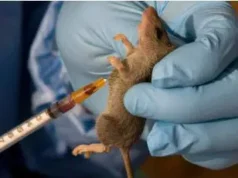
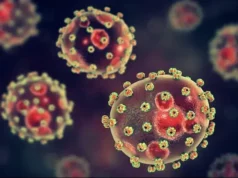
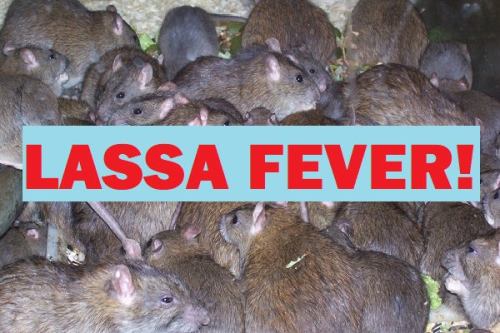
According to NAN, Lassa fever is a viral haemorrhagic illness primarily transmitted through contact with urine or faeces of infected rats. It may also spread between humans via bodily fluids, contaminated objects, or infected medical equipment.
Symptoms of Lassa fever include fever, sore throat, headache, vomiting, muscle pain, and in severe cases, bleeding from body openings.