No fewer than 73 lives were lost and 393 people sustained injuries in 175 road crashes along the Lagos-Ibadan Expressway between January and March 2025, according to a new report by the Federal Road Safety Corps (FRSC).
The FRSC data, obtained by PUNCH Metro, showed that a total of 1,271 individuals were involved in traffic incidents along the notoriously busy highway during the first quarter of the year. Despite a slight drop in the number of crashes in February and March compared to January, fatalities remained alarmingly high.
The report highlights that while January recorded the highest number of accidents, February was the deadliest, with 30 fatalities. January and March followed with 21 and 22 deaths, respectively.
Notable incidents during the period included a tragic crash near Ayetoro in February that killed nine people, a lone accident at Fatgbems bus stop in January that claimed five lives, and a March crash in Alapako that resulted in four fatalities.
A breakdown of injuries recorded showed 155 people hurt in January, 96 in February, and 142 in March.
“Overall, a total of 175 road traffic crashes occurred along Lagos-Ibadan Expressway in the first quarter of 2025,” the FRSC document stated. “This led to 393 injured persons and the death of 73 persons while a total of 1,271 people were involved in crashes on the route between January and March 2025.”
The report also provided comparative data, showing a 29% drop in road crashes in February and a 6% drop in March compared to January. Injuries also decreased by 38% in February and 8% in March relative to January.
However, the number of fatalities increased by 43% in February and 5% in March over the January figure, raising concerns about the severity of accidents despite fewer incidents.
Traffic analysts and safety advocates have renewed calls for stricter enforcement of road safety measures, including speed regulation, vehicle inspections, and enhanced public awareness campaigns.
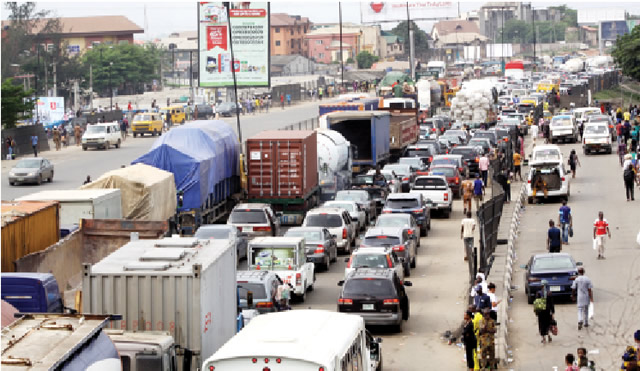
The Lagos-Ibadan Expressway, a critical artery linking Lagos to the Southwest and other parts of Nigeria, has long been plagued by heavy traffic, reckless driving, and infrastructural challenges.