The International Monetary Fund (IMF) has called on Nigeria to expand its tax revenue base as part of efforts to enhance fiscal policy and ensure long-term economic stability.
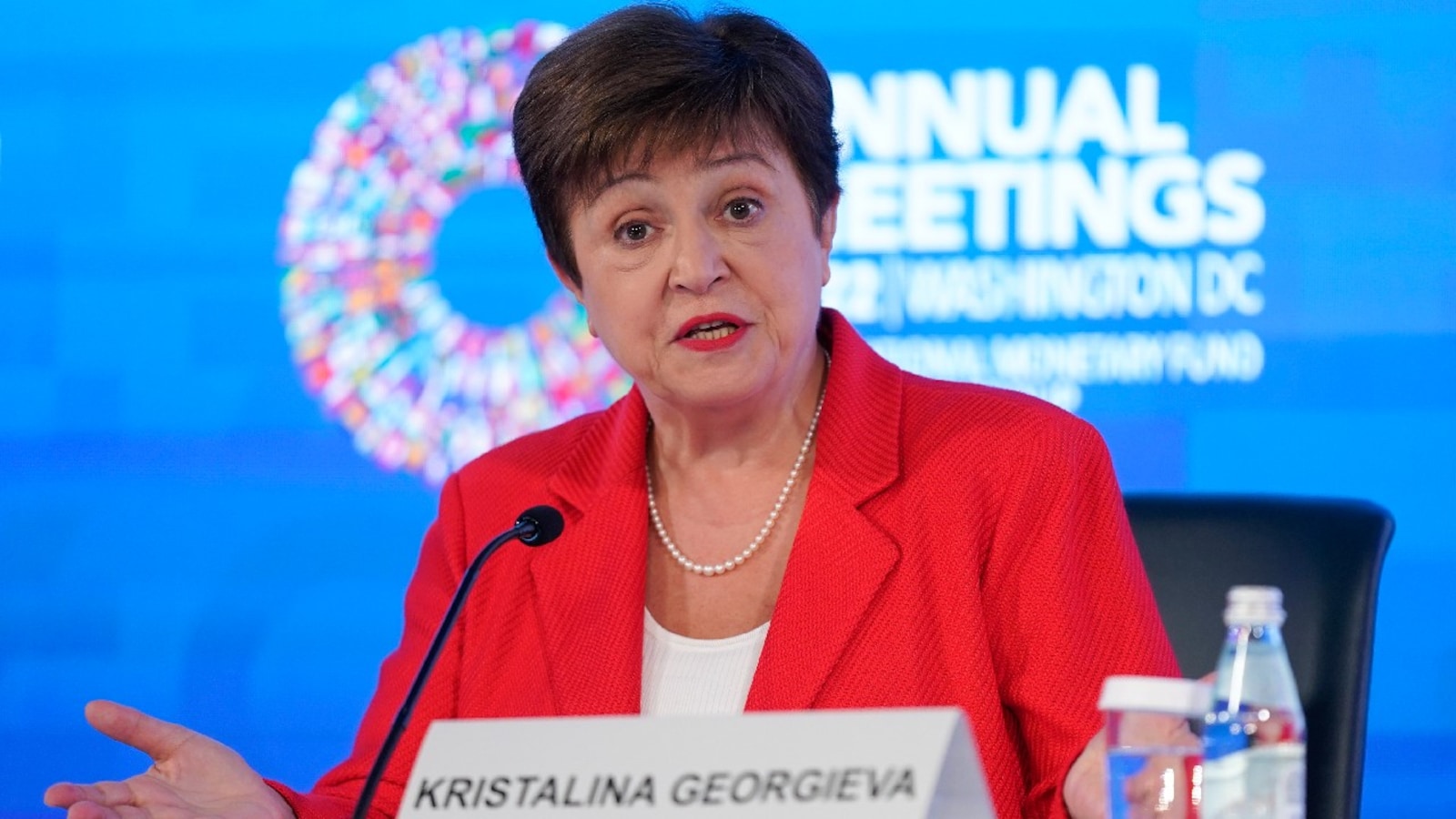
IMF Managing Director Kristalina Georgieva made this recommendation during a press briefing in Washington, D.C., held on the sidelines of the 2025 IMF Spring Meetings.
Georgieva emphasized the importance of leveraging technology to reduce tax evasion and improve revenue mobilization, noting that Nigeria—like many oil-producing countries in Africa—faces growing fiscal pressure due to declining oil prices.
She also highlighted the need for tailored monetary policy responses across African nations, urging governments to focus on transparency, anti-corruption efforts, and homegrown economic solutions.
“We are no longer in a world where one can simply replicate the policies of a neighboring central bank,” Georgieva said. “It is critical to evaluate domestic resource mobilization strategies and inflationary dynamics to determine what works best for each country.”
In addition to fiscal and monetary recommendations, the IMF chief encouraged African countries to strengthen intra-continental trade and take deliberate steps to eliminate barriers to regional commerce. She cited the Association of Southeast Asian Nations (ASEAN) as a model for how regional cooperation can drive economic growth.
“Sometimes there are infrastructure barriers, and the World Bank is working to address those challenges that hinder growth and trade,” Georgieva noted.
She further acknowledged Africa’s immense economic potential, citing its abundance of natural resources, mineral wealth, and youthful population. She urged key economies—including Nigeria, Egypt, Ghana, and Côte d’Ivoire—to continue building strong financial buffers to navigate global uncertainties.
“I believe that a more unified and collaborative Africa can transform into a major economic powerhouse,” Georgieva stated.
She also addressed the broader implications of global tariffs, warning that while the direct effects may be limited, the indirect impact on African economies—particularly in the context of sluggish global growth—could be substantial.